





















The application of anti-glare (AG) treatment on the cover screen of a display offers numerous benefits, including improved visual appearance, a smoother surface texture, and enhanced resistance to fingerprints. However, a notable drawback is that when applied to high-resolution LCD displays, AG treatment may induce the "sparkling" phenomenon, which can negatively affect visual performance.

The principle of Anti-Glare
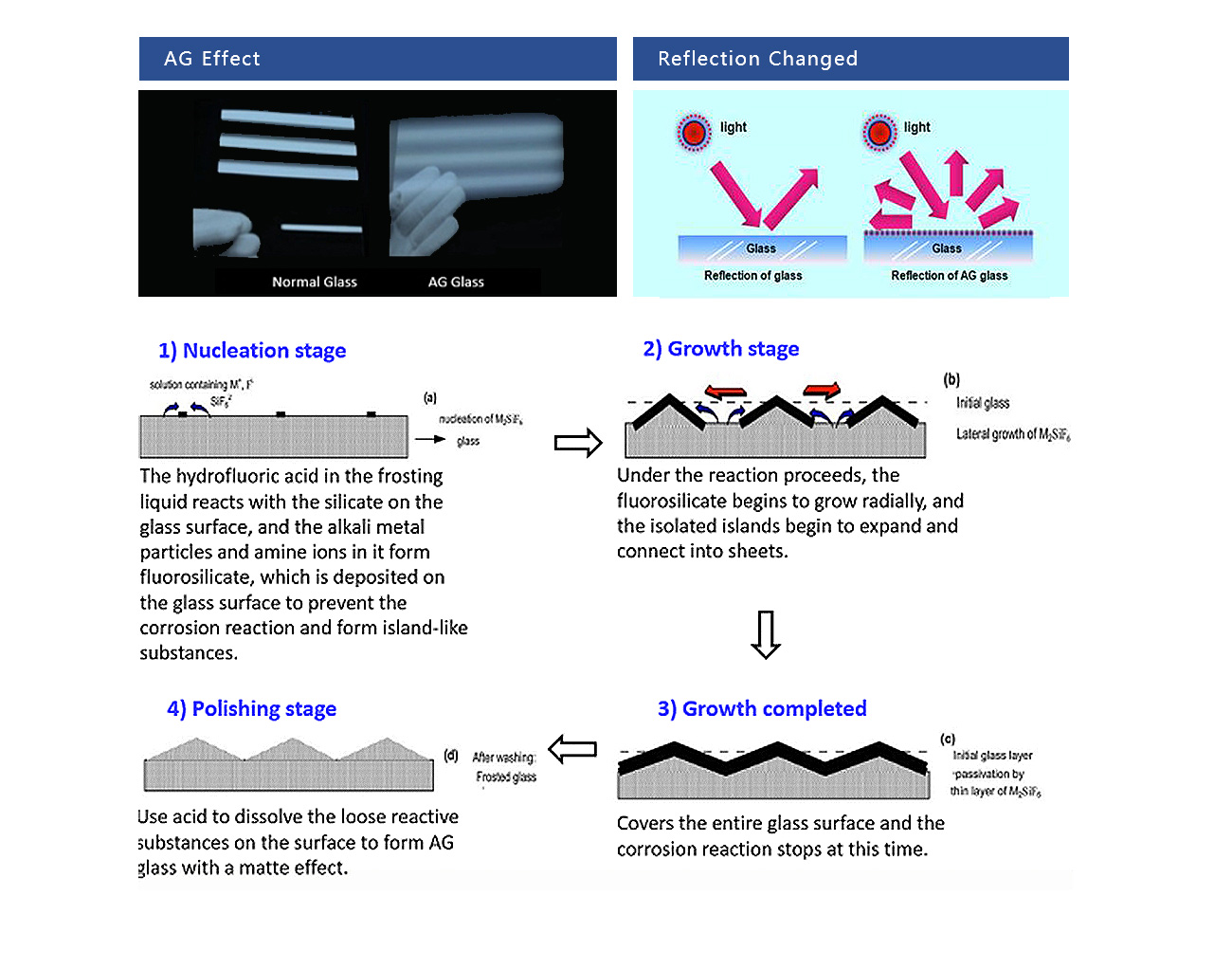
Anti‐glare screens utilize a special processing on the surface.
- Features:By chemical etching or spraying processes, the reflective surface of the original screen is changed to a diffused surface. This alters the roughness of the screen surface, thereby producing a matte effect.
- Principle :When outside light is reflected, it forms a diffuse reflection. This reduces the reflection of light and achieves the purpose of eliminating glare, allowing the viewer to experience better sensory vision.
What Causes SPARKLING?
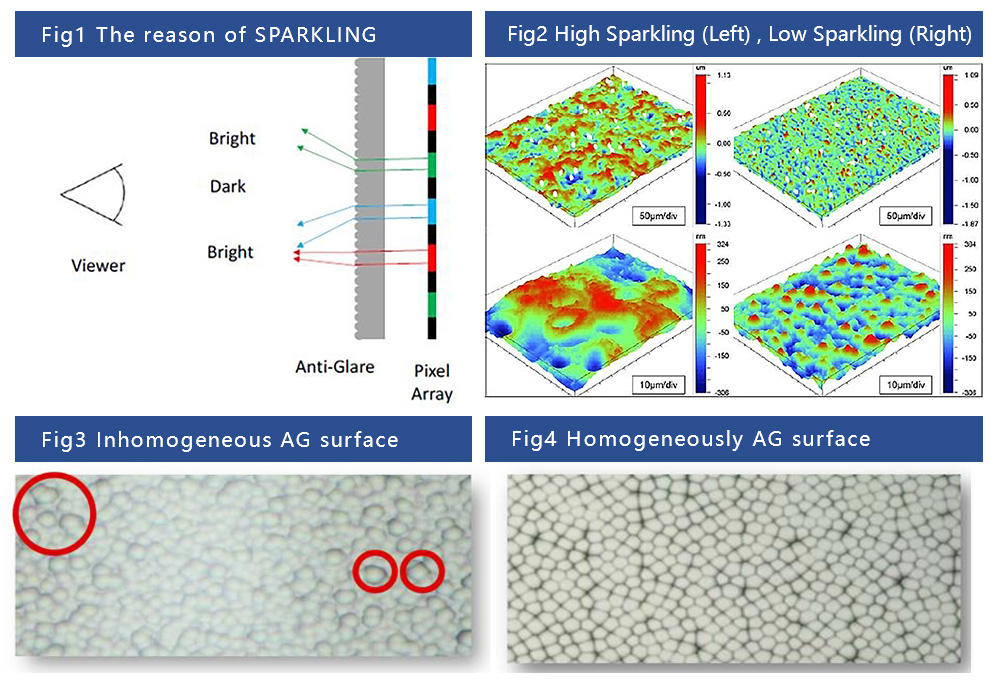
The reason for SPARKLING is that when the LCD light passes through the AG surface, if the AG treatment is inhomogeneous, the R/G/B light from the LCD pixels will interfere with each other. We can control the particles or caves of the surface to ensure a homogeneous surface to reduce the sparkling effect.
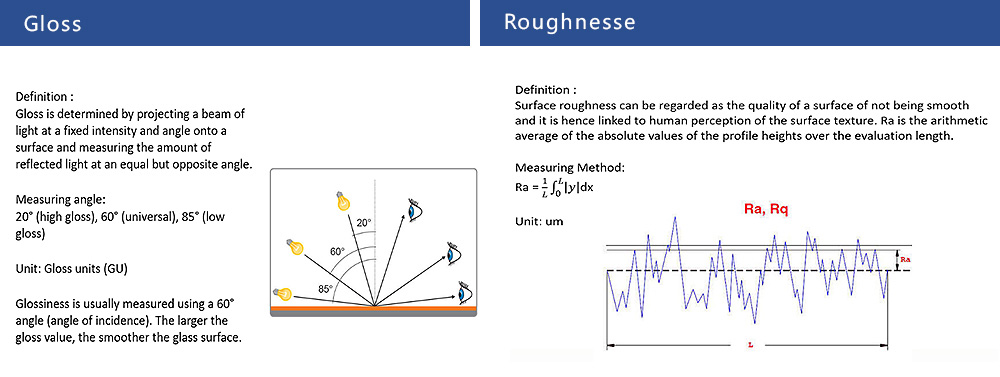
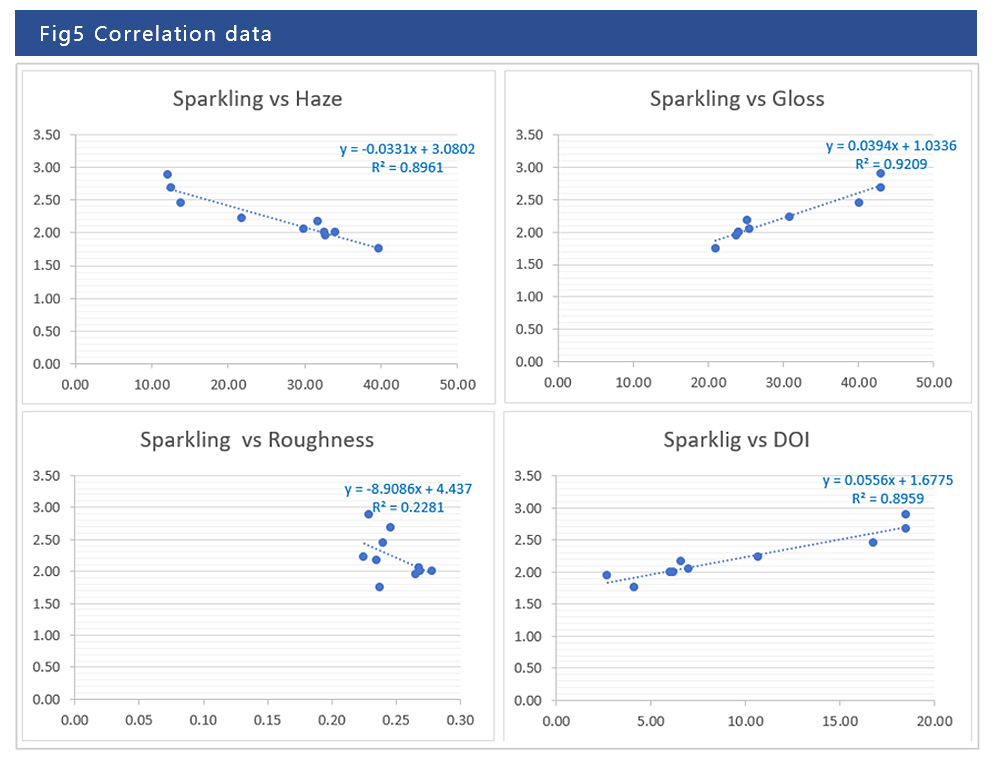
For process control, we need to collect CTQ (Critical to Quality) data—such as Gloss, Haze, Roughness, and DOI—to ensure the surface of the AG screen is homogeneous.
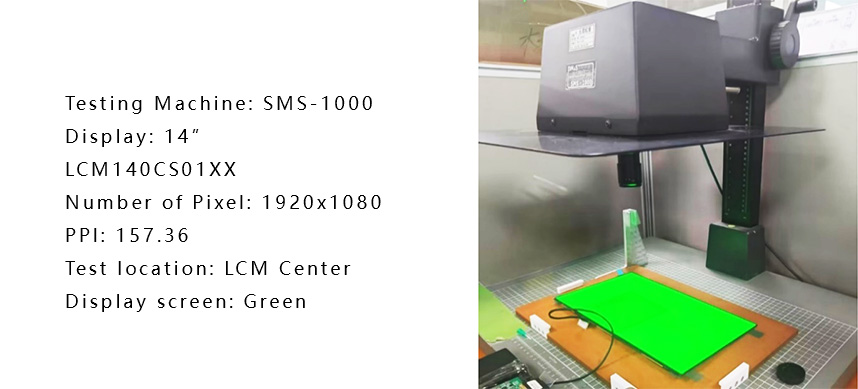
How to measure the SPARKLING value ?
Which values are most related to SPARKLING?
Based on TES statistical correlation data, we can control the GLOSS and DOI of the process to ensure a better and more stable performance of the anti-glare screen.
If you have any technical questions related to industrial display screens or commercial display screens, please feel free to contact and communicate with us!
The application of anti-glare (AG) treatment on the cover screen of a display offers numerous benefits, including improved visual appearance, a smoother surface texture, and enhanced resistance to fingerprints. However, a notable drawback is that when applied to high-resolution LCD displays, AG treatment may induce the "sparkling" phenomenon, which can negatively affect visual performance.
The principle of Anti-Glare
Anti‐glare screens utilize a special processing on the surface.
- Features:By chemical etching or spraying processes, the reflective surface of the original screen is changed to a diffused surface. This alters the roughness of the screen surface, thereby producing a matte effect.
- Principle :When outside light is reflected, it forms a diffuse reflection. This reduces the reflection of light and achieves the purpose of eliminating glare, allowing the viewer to experience better sensory vision.
What Causes SPARKLING?
The reason for SPARKLING is that when the LCD light passes through the AG surface, if the AG treatment is inhomogeneous, the R/G/B light from the LCD pixels will interfere with each other. We can control the particles or caves of the surface to ensure a homogeneous surface to reduce the sparkling effect.
For process control, we need to collect CTQ (Critical to Quality) data—such as Gloss, Haze, Roughness, and DOI—to ensure the surface of the AG screen is homogeneous.
How to measure the SPARKLING value ?
Which values are most related to SPARKLING?
Based on TES statistical correlation data, we can control the GLOSS and DOI of the process to ensure a better and more stable performance of the anti-glare screen.
If you have any technical questions related to industrial display screens or commercial display screens, please feel free to contact and communicate with us!


 关闭返回
关闭返回